
Picky Eaters: A Complete Guide for Parents


Picky eating is one of the most common — and most stressful — challenges parents face at the dinner table. If your child refuses most foods, melts down at mealtimes, or seems to survive on a five-food rotation, you are not alone. This guide brings together everything The Scramble knows about picky eating: the research behind it, practical strategies that actually work, dinner-table tactics, and recipes that even the most selective eaters tend to accept.
What you’ll find in this guide
- Why picky eating happens
- Proven strategies to help selective eaters expand their palates over time
- Dinner-table approaches that reduce conflict and build food confidence
- Recipes that work well for picky eaters across the whole family
Understanding Picky Eating


Picky eating is not a reflection of bad parenting. Selective eating is developmentally normal, especially between ages 2 and 6, and is often driven by sensory sensitivity, a need for control, food neophobia (fear of new foods), or simply temperament. Understanding why your child eats the way they do is the first step toward changing it — and it starts with letting go of pressure and blame.
🌱 How to Raise Healthy Eaters
The research-backed approach to changing food dynamics in your household — including the Division of Responsibility method.
Read the Guide →Strategies to Help Picky Eaters


There is no single fix for picky eating — but there are strategies that consistently make a difference over time. The most effective approaches share one thing: they reduce pressure and increase a child’s sense of safety and autonomy around food.
Practical tools and techniques — dips, exposure methods, and how to avoid making food a battleground.
Why giving children more control — not less — is one of the most effective paths to more adventurous eating.
How dips, sauces, and familiar flavors can bridge the gap between what your child eats now and what they might try next.
Proven techniques for introducing more produce — without turning every dinner into a negotiation.
A simple setup that lets kids build their own plate — and eat more vegetables without any fuss.
What it was like to be a picky eater — told from the child’s perspective. A reassuring read for any frustrated parent.
At the Dinner Table
The dinner table itself is where the biggest battles happen — and where the most important habits are formed. Small changes to how meals are structured and served can dramatically shift the atmosphere from stressful to enjoyable.
Practical, research-backed advice for handling the moment your child pushes the plate away.
How to respond — without short-order cooking, bribing, or giving up on family meals.
Why serving food in the center of the table — and letting kids serve themselves — is one of the most powerful tools for picky eaters.
How to manage picky eaters in restaurants without dreading the experience.


Recipes for Picky Eaters
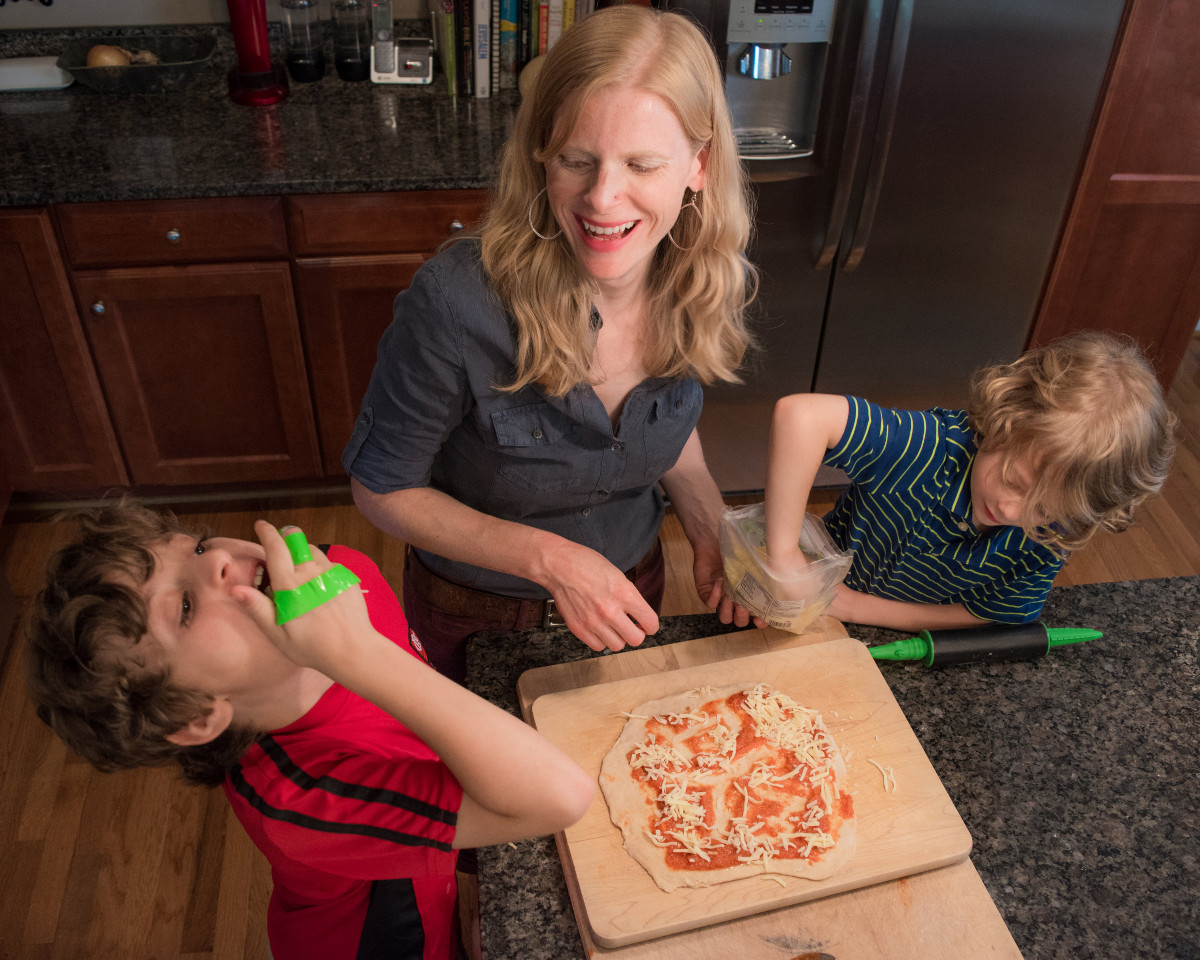
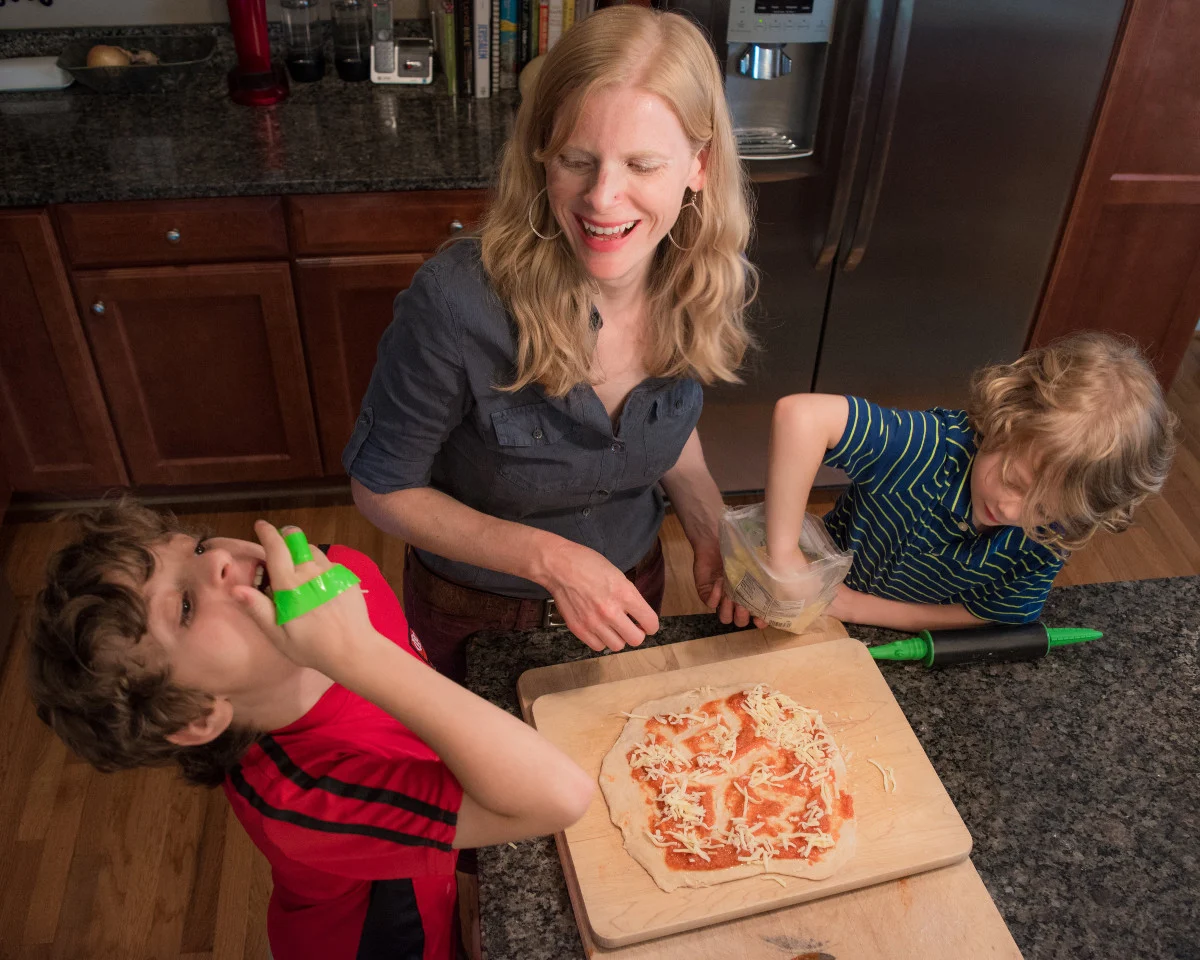
Not all recipes work for selective eaters — but some consistently do. These are the Scramble recipes that parents of picky eaters report as their most reliable wins: familiar flavors, manageable textures, and enough flexibility for customization at the table.
🍽️ Best Recipes for Picky Eaters
30 Scramble recipes that parents of selective eaters rely on most — organized by what tends to work and why.
Browse the Recipes →Frequently Asked Questions
What causes picky eating in children?
Picky eating is usually caused by a combination of factors: sensory sensitivity (certain textures, smells, or appearances feel overwhelming), food neophobia (a natural fear of new foods most common between ages 2–6), a developmental need for control, and temperament. Most children go through a selective phase, and many outgrow it with patient, low-pressure exposure over time.
Should I force my child to eat foods they don’t like?
No. Research consistently shows that forcing or pressuring children to eat specific foods tends to backfire — it increases negative associations with those foods and can make picky eating worse. The most effective approach, known as the Division of Responsibility (developed by dietitian Ellyn Satter), is for parents to decide what, when, and where food is offered, and for children to decide whether and how much they eat.
How do I get my child to try new foods?
Repeated low-pressure exposure is the most evidence-backed method. Offer a new food alongside familiar favorites, without requiring a taste. Research suggests children may need to see a new food 10–15 times before they’re willing to try it. Using dips and condiments, involving kids in cooking and grocery shopping, and serving food family style (so children can serve themselves) all help reduce anxiety around new foods.
At what age do children typically outgrow picky eating?
Food neophobia — the fear of new foods — peaks between ages 2 and 6 and typically decreases through middle childhood. Many children who were selective eaters at 4 or 5 become much more adventurous by age 8–10. However, some degree of food preference is lifelong, and the goal isn’t to eliminate preferences but to expand the range of foods a child will eat comfortably.
What is family style dining and why does it help picky eaters?
Family style dining means placing all the food for the meal in serving dishes in the center of the table and letting everyone — including children — serve themselves. This gives children a sense of control and autonomy over what goes on their plate, which research shows reduces mealtime conflict and increases willingness to try foods. It also removes the pressure of a pre-filled plate they feel obligated to eat.
If you would like more support with meal planning and preparation, sign up for a two-week free trial of our online meal planning service and see how simple planning, easy cooking, and joyful eating can be!