
How to Cook: A Complete Guide for Home Cooks
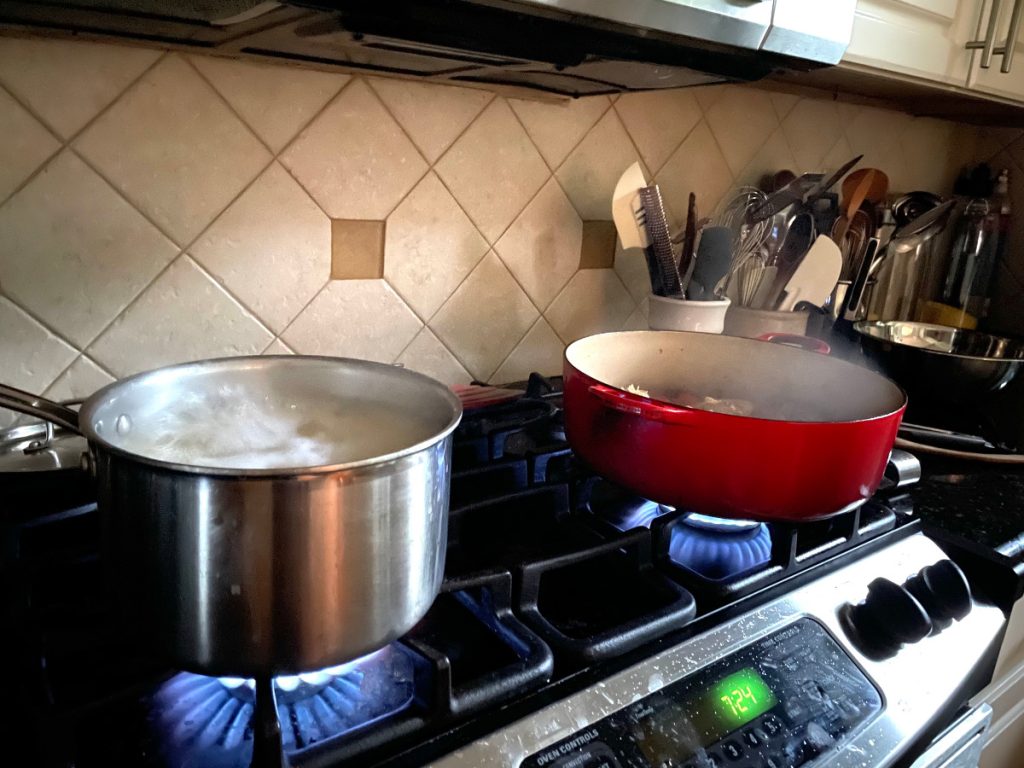
Cooking at home doesn’t require culinary school — it requires knowing the right techniques, having the right tools, and feeling confident enough to follow a recipe without second-guessing every step. This guide brings together everything you need: cooking term definitions, ingredient-specific how-tos, equipment guides, and step-by-step technique videos.
What you’ll find in this guide
- Definitions for 70+ cooking terms — so no recipe ever stumps you again
- How-to guides for specific ingredients, from sweet potatoes to corn on the cob
- Equipment guides covering the knives and pots every home cook actually needs
- Master the Basics with essential cooking skills every home cook should know
- Video how-tos from The Scramble’s library of cooking fundamentals
Cooking Terms and Definitions
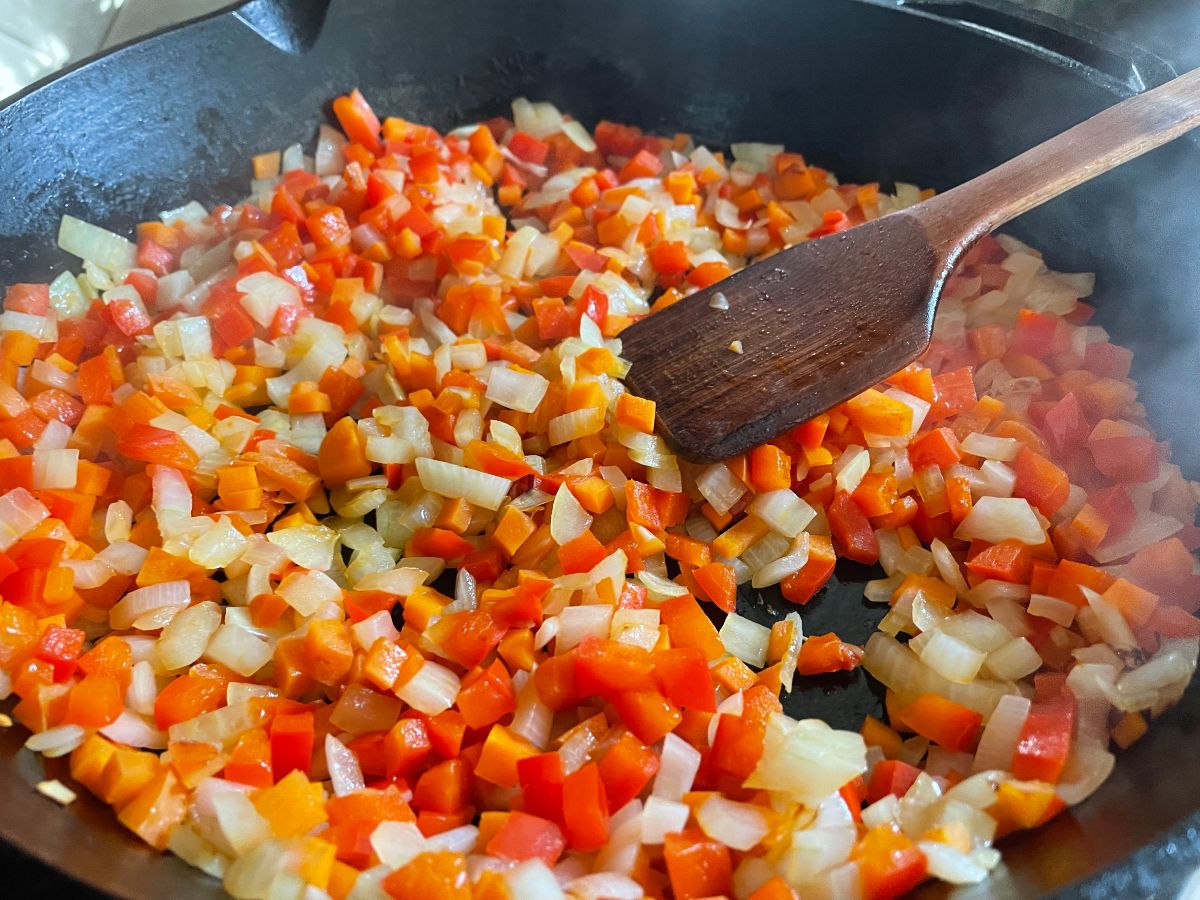
Before you can cook confidently, you need to understand what a recipe is asking. Our glossary covers every term you’re likely to encounter — from basic techniques like sauté and simmer to less familiar words like chiffonade, spatchcock, and deglaze.
📖 Glossary of Cooking Terms
70+ cooking terms defined in plain language — searchable and bookmarkable.
Browse the Glossary →How to Cook Specific Ingredients
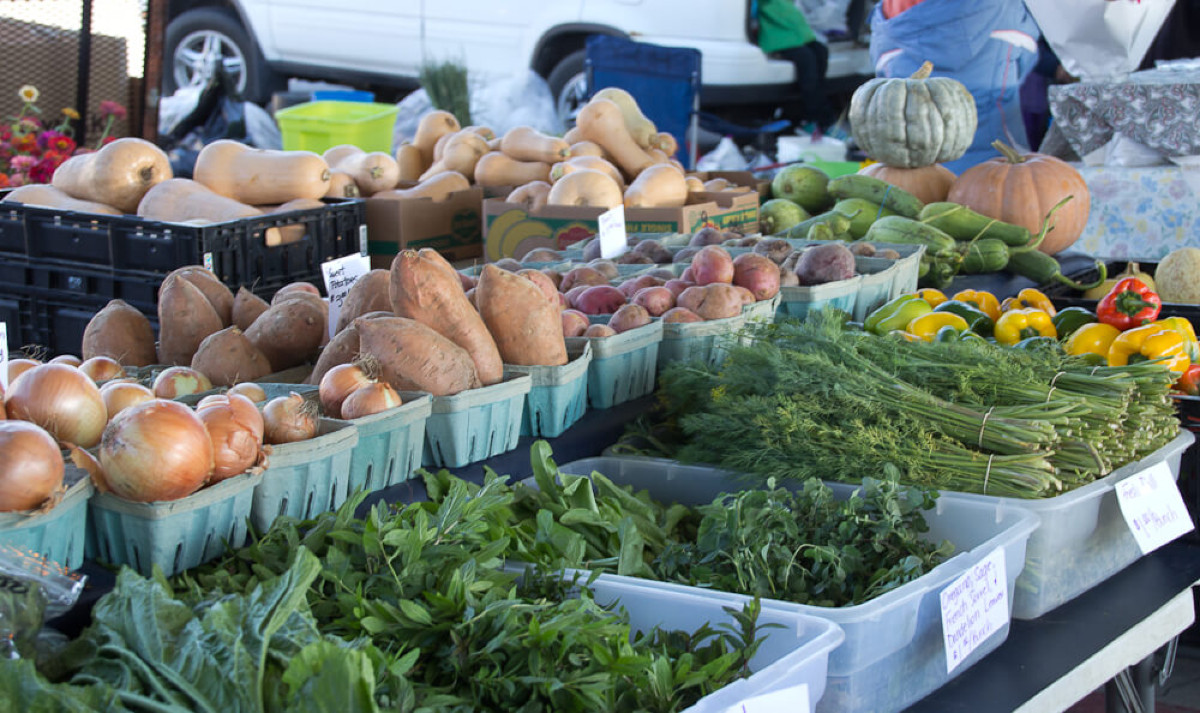
Each ingredient has its own quirks — the best cooking method, how long it takes, what temperature it needs, and what to pair it with. These guides cover the most common questions home cooks have about specific ingredients.
Bake, roast, microwave, or sauté — plus nutritional facts and recipes.
Roasting and baking methods, plus how to cut it safely.
Boil, grill, or microwave — every method covered.
An overview of the many kinds of greens, nutritional info, plus how to stem and chop the different varieties.
Beyond plain steamed rice — flavors, add-ins, and rice bowl ideas.
Roast, saute, steam, mash — plus how to make cauliflower rice and chop a cauliflower safely.
The safest and most efficient way to cut up a mango — plus mango salsa and other mango recipes.
The quickest and easiest way to cook spaghetti squash, plus a recipe to get you started.
Steam, roast, mash, plus how to peel and chop butternut squash, nutritional info, and more.
7 easy ways to make cucumber salad.
Simple directions on how to prepare dried beans in your slow cooker, instant pot, or pressure cooker.
How to make refried beans, plus recipes you can use them in.
The vinaigrette ratio, emulsification, and 10 recipes.
Kitchen Equipment Guides
You don’t need a kitchen full of gadgets to cook well. These guides cover the essentials — the knives and pots that actually earn their place in your kitchen.
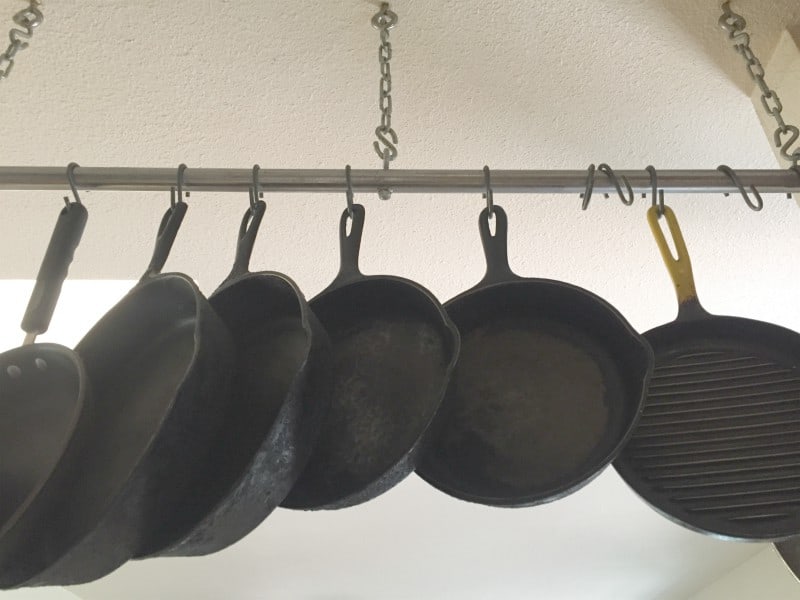
The 10 pieces of cookware worth buying — and what each one is used for.
A chef’s knife and a paring knife — and why that’s enough.
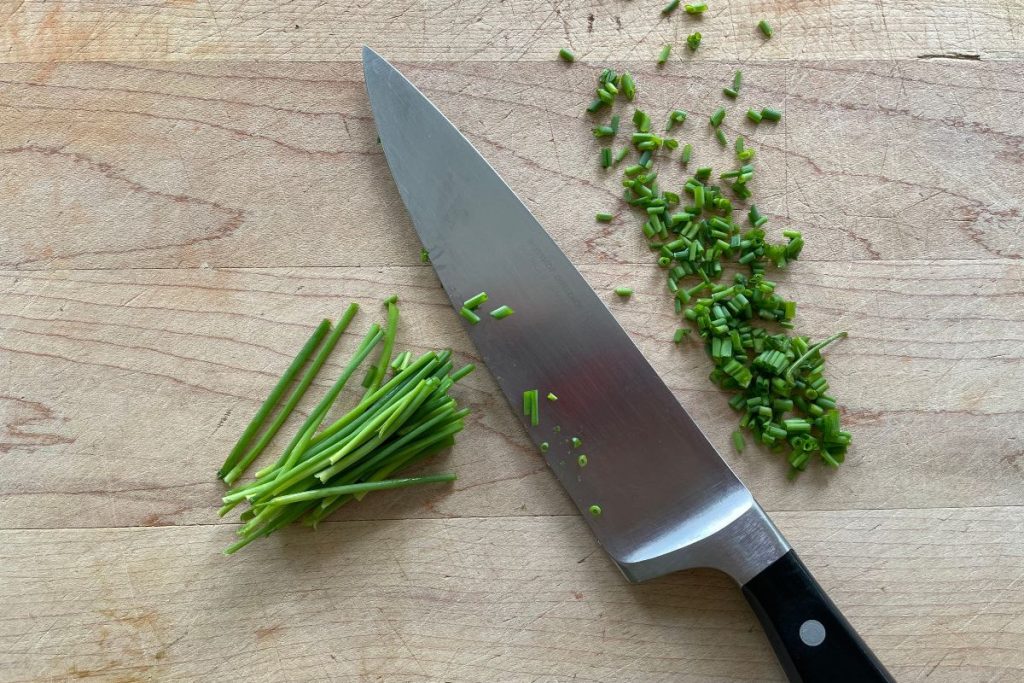
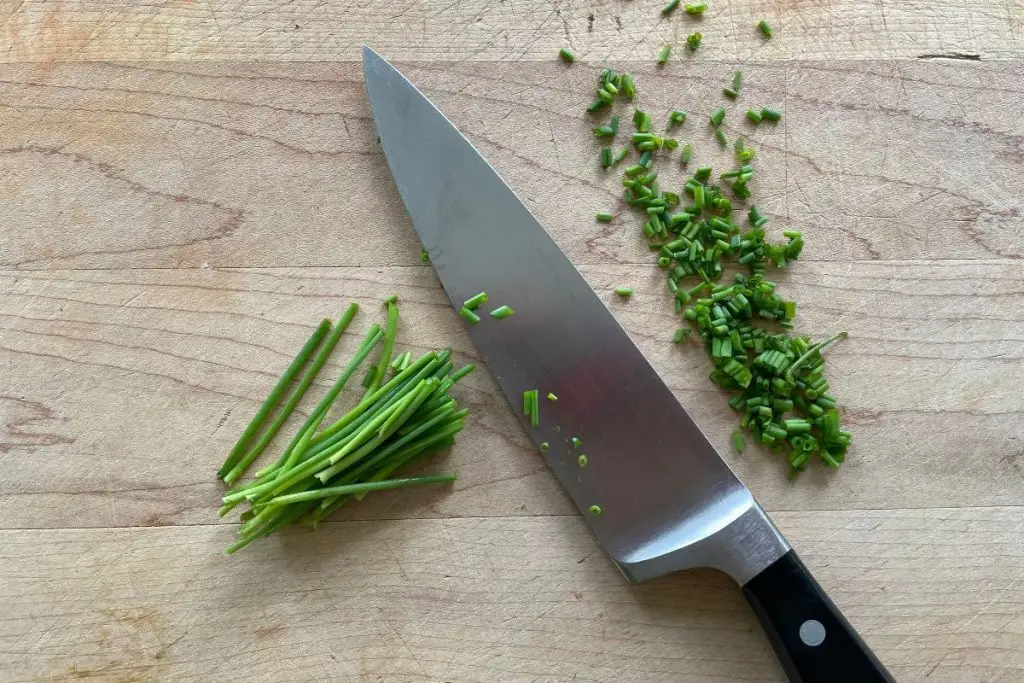
Dice, julienne, chiffonade, mince — what each cut means and how to do it.
Essential Cooking How-Tos
There are certain cooking tasks that, once mastered, make preparing food much easier (and fun!). These guides cover some of the most essential tasks and dishes that every good home cook should master.
Dice, chop, julienne, mince, and slice — what each cut means and how to do it efficiently.
What low, medium, and high heat actually mean on your stove — and how to know if you’re using the right one.
Everything you need to get over your fear of grilling — setup, heat zones, and what to cook when.
Tips and tricks for building flavor, the right base vegetables, and when to add each ingredient.
The two components that make a truly great salad — flavor and texture — plus how to assemble it properly.
7 secrets to perfect roasted vegetables every time — temperature, spacing, timing, and more.
Simple directions for chicken and vegetable broth on the stove or in the slow cooker — the one staple worth making from scratch.
Practical tricks for getting dinner on the table every night — meal prep, batch cooking, and delegating the right tasks.
Video How-Tos

Sometimes it’s easier to watch than to read. The Scramble’s video library covers fundamental cooking techniques — from how to chop an onion to how to sauté vegetables — so you can see exactly what each step looks like before you try it yourself.
🎥 Library of How-To Videos
Step-by-step cooking technique videos for home cooks at every level.
Browse the Video Library →Frequently Asked Questions
What cooking techniques should a beginner learn first?
Start with sauté, roast, and simmer — these three techniques cover the majority of weeknight recipes. Sautéing gives you vegetables and proteins cooked quickly on the stovetop. Roasting gives you hands-off oven meals. Simmering gives you soups, stews, and sauces. Master these three and most recipes will feel approachable.
What is the difference between roasting and baking?
Both use dry oven heat, but roasting refers to meats, poultry, and vegetables cooked uncovered at higher temperatures (375°F–450°F), while baking refers to breads, pastries, and casseroles. The terms are sometimes used interchangeably but the distinction is useful: roasting caramelizes the outside of food, baking sets a structure.
What knives do I actually need as a home cook?
Two: a good chef’s knife (8-inch) and a paring knife. A chef’s knife handles roughly 90% of cutting tasks — chopping, slicing, dicing, mincing. A paring knife handles the precise work: peeling, trimming, and small cuts. Everything else is optional.
How do I know when oil is hot enough to sauté?
Add a single small piece of the food you’re cooking. If it sizzles immediately on contact, the oil is ready. If it sits silently, the pan needs more time. If it spatters aggressively or smokes, the heat is too high. For a quicker test, hold your hand 3–4 inches above the pan — you should feel strong, steady heat within 2 seconds.
What is the best way to store fresh herbs?
Treat soft herbs like basil, cilantro, and parsley like fresh flowers: trim the stems and stand them in a glass of water, loosely covered with a plastic bag, on the counter or in the fridge. Hard herbs like thyme, rosemary, and sage keep best wrapped in a slightly damp paper towel inside a sealed bag in the refrigerator.
If you would like more support with meal planning and preparation, sign up for a two-week free trial of our online meal planning service and see how simple planning, easy cooking, and joyful eating can be!